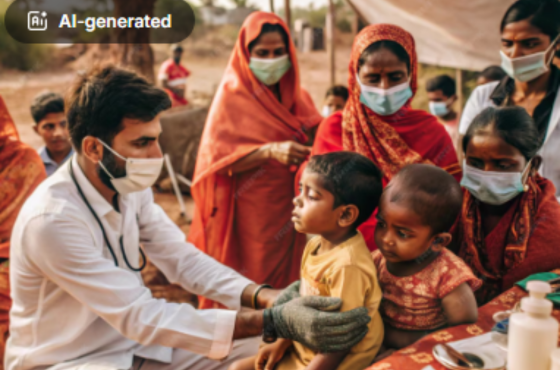
A nation’s health reflects its strength and potential. Access to preventive healthcare, regular health checkups, nutrition, and awareness about hygiene ensures that citizens remain healthy and productive. Strong public health systems reduce disease burdens, lower healthcare costs, and enhance life expectancy, enabling individuals to pursue education, careers, and civic responsibilities without the constraints of illness.
Beyond physical well-being, mental health plays a critical role in shaping a nation’s productivity and social harmony. Programs promoting mental wellness, stress management, and community support help individuals cope with challenges, foster resilience, and contribute positively to society. A holistic approach to health—encompassing physical, mental, and social aspects—ensures that people are equipped to lead fulfilling lives.
Investment in healthcare infrastructure, such as hospitals, clinics, and telemedicine services, strengthens national capacity to respond to health emergencies and epidemics. Equipping communities with the resources and knowledge to prevent diseases also empowers citizens to take charge of their own health, reducing dependency on reactive treatments and enabling sustainable well-being.
Moreover, public health initiatives that focus on nutrition, maternal and child health, vaccination, and awareness campaigns create a strong foundation for future generations. Healthy children are better learners, and healthy adults are more productive, forming a cycle that reinforces national development.
Ultimately, a nation that prioritizes the health of its citizens lays the groundwork for sustainable growth, social stability, and long-term prosperity, ensuring that every individual has the opportunity to reach their full potential and contribute meaningfully to the progress of society.